Our Presidents

Over the last one-hundred, ASALH has been led by a distinguished list of presidents who have left a legacy for not only ASALH but also the society at large. Our Founder, Carter G. Woodson, was a strong personality who succeeded because he had the ability to convince other strong, capable people to trod the path with him. The ASALH tradition is to walk with giants.
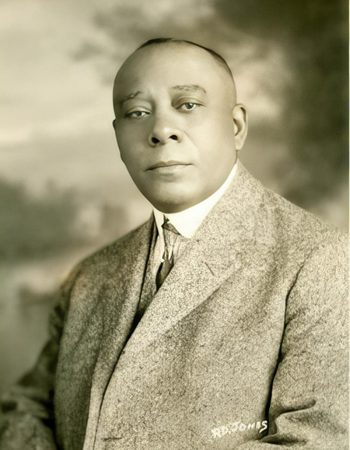
1916-1917
George Cleveland Hall
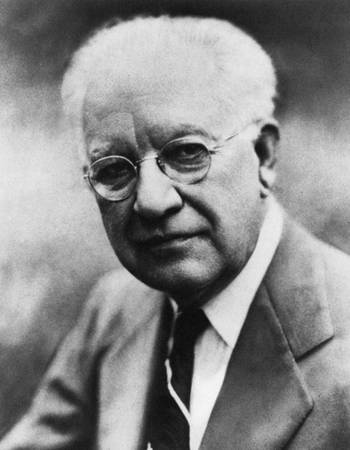
1917-1920
Robert E. Park
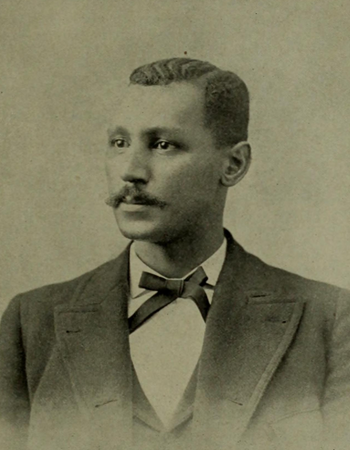
1921-1930
John R. Hawkins
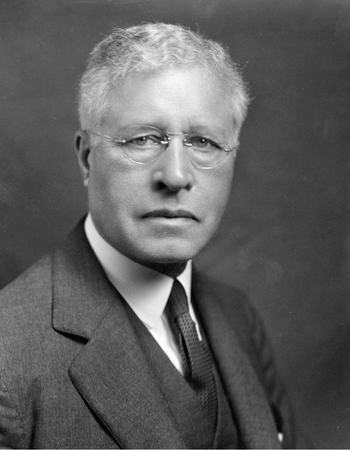
1931-1936
John Hope
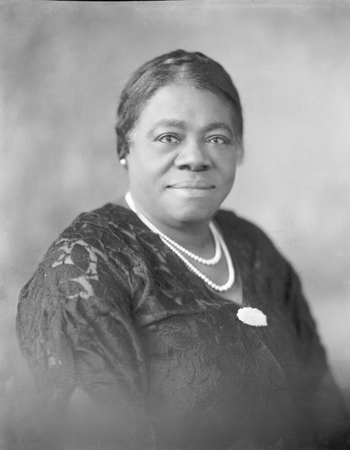
1936-1951
Mary McLeod Bethune
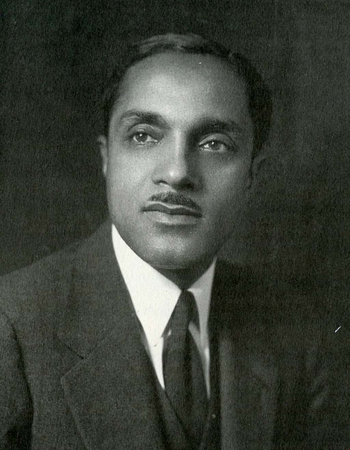
1952-1964
Charles Harris Wesley
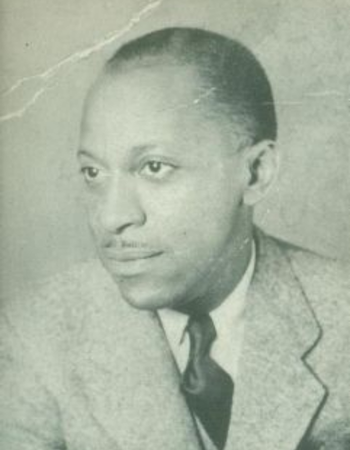
1965-1966
Lorenzo J. Greene
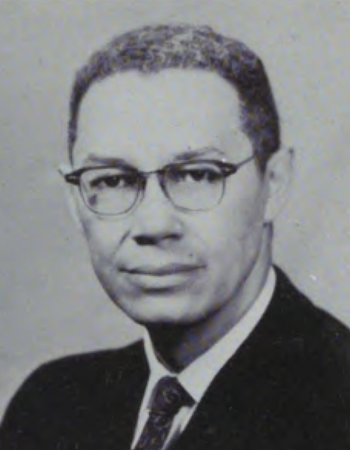
1966-1967
J. Reuben Sheeler
1968-1970
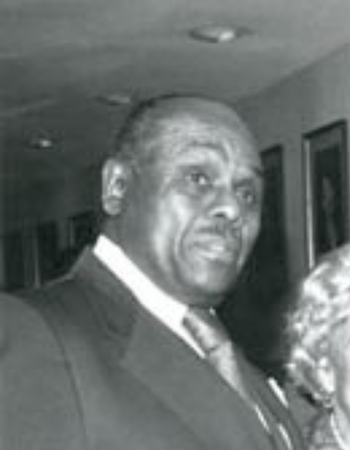
J. Rupert Picott
1971-1973
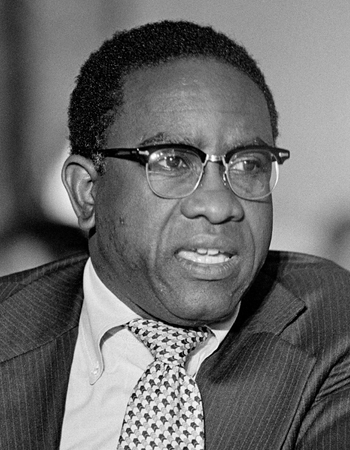
Andrew F. Brimmer
1974-1976
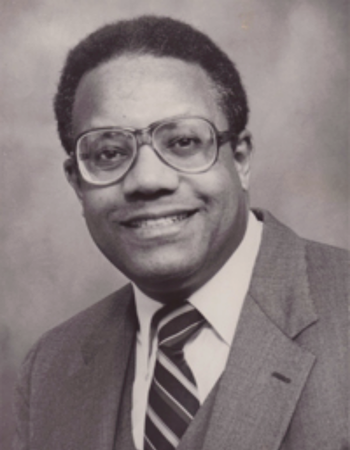
Edgar A. Toppin
1977-1980
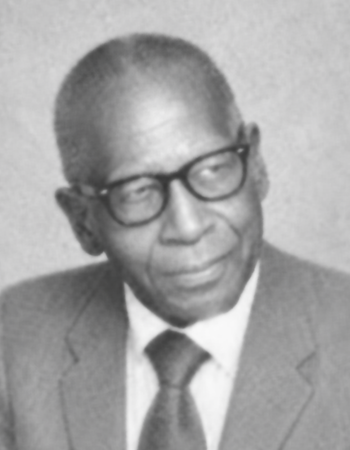
Charles Walker Thomas
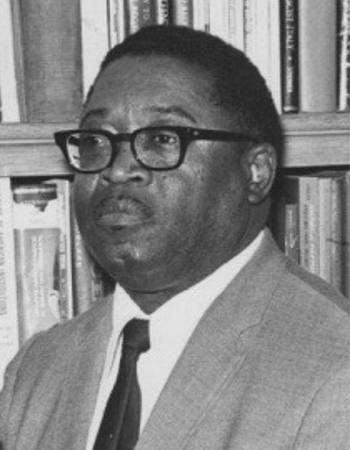
1981-1982
Earl E. Thorpe
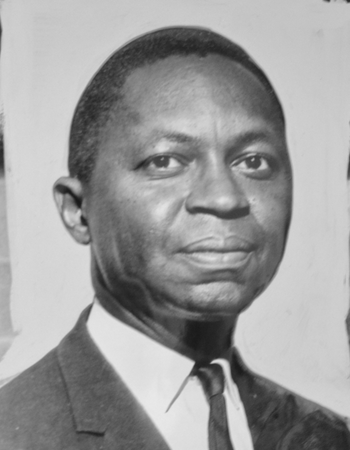
1983-1984
Samuel L. Banks
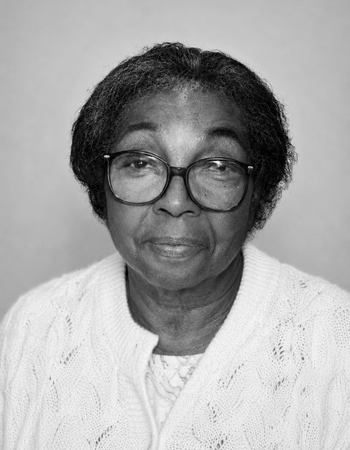
1984-1985
Jeanette Cascone (acting)
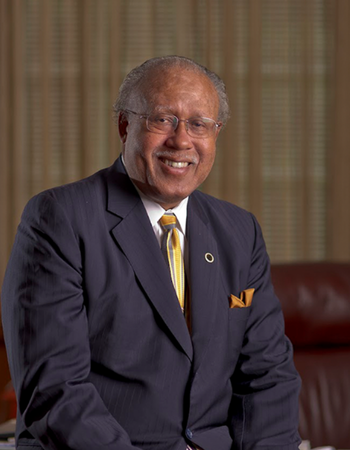
1986-1988
William H. Harris
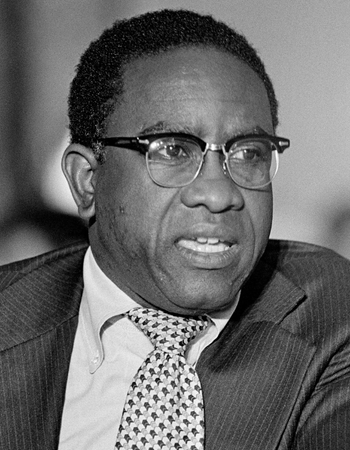
1989-1990
Andrew F. Brimmer
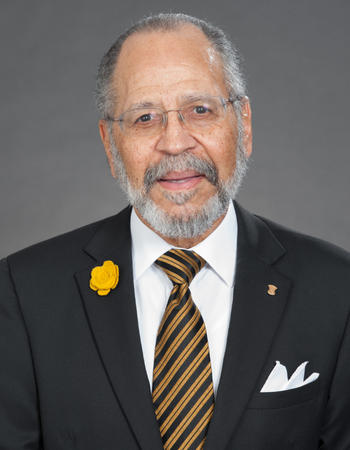
1991-1993
Robert Harris, Jr.
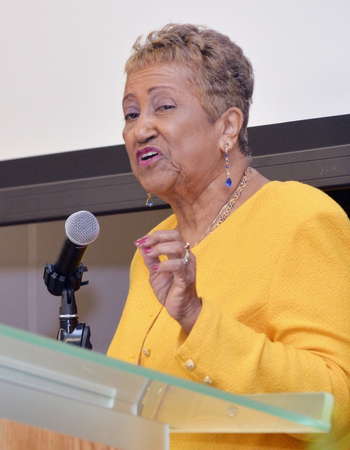
1993-1995
Janette Hoston Harris
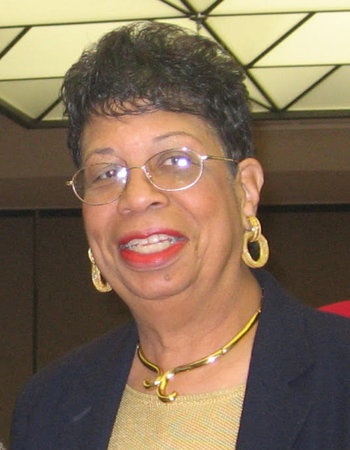
1995-1997
Bettye J. Gardner
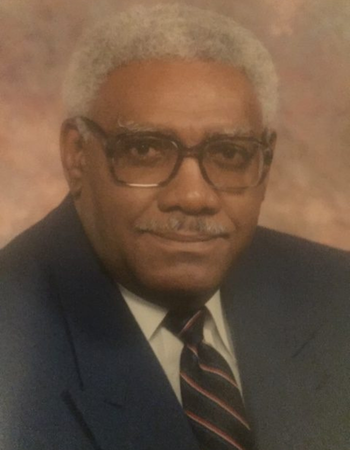
1997-1999
Edward Beasley, Jr.
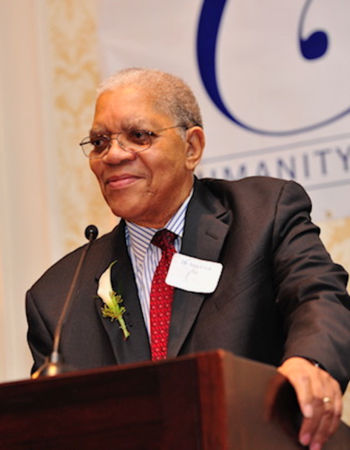
1999-2001
Samuel DuBois Cook, Sr.
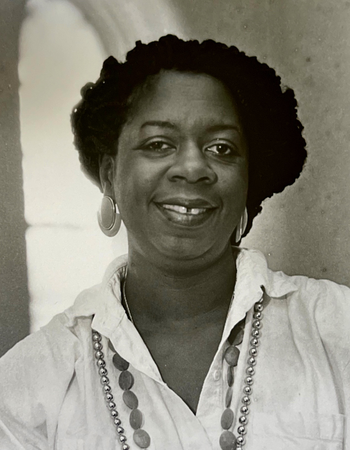
2001-2004
Gloria Harper Dickinson
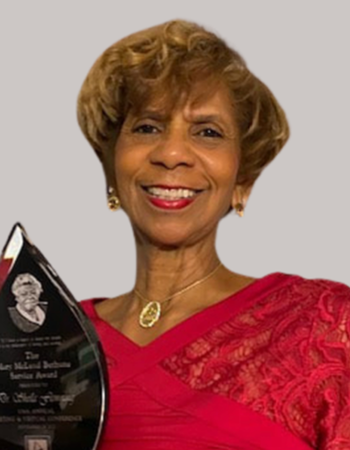
2004-2006
Sheila Y. Flemming
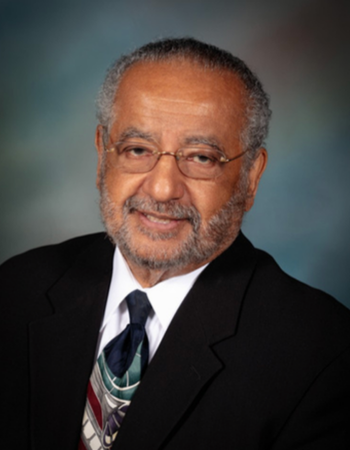
2007-2009
John E. Fleming
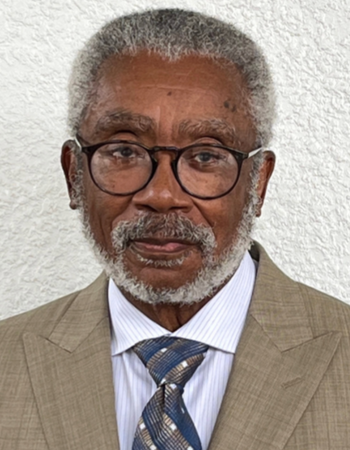
The first president, George Cleveland Hall , was a physician and civic leader in Chicago. For decades his was a moving force at Provident Hospital, which served the city’s burgeoning black population in the age of black migrations. A Vice-President of the National Urban League, and an early member of the NAACP, Hall was a tireless leader for black rights. Robert E. Park, who followed him, took the presidency after working as the secretary and ghost writer for Booker T. Washington and joining the faculty at the University of Chicago and establishing what became known as the Chicago School of Sociology. The only white president of the Association, Park trained black sociologists such as Charles S. Johnson and E. Franklin Frazier, two legends of black sociology. John Hope was the first African American president of what became Morehouse College. Following him came the giant, Mary McLeod Bethune, founder of Bethune Cookman College, and a member of President Franklin D. Roosevelt’s New Deal. Serving as president for fifteen years, Ms. Bethune provided continuity, laboring alongside of Woodson through the Great Depression and into the new era ushered in by World War II.

Of ASALH’s twenty-seven presidents, nine have been administrators in higher education. Like Ms. Bethune and John Hope, Charles Wesley, William Harris, and Samuel DuBois Cook each served as university presidents.* John R. Hawkins, our third president, served as head of Kittrell College in North Carolina in 1886. 20th president, Bettye J. Gardner, and 24th president, Sheila Y. Flemming-Hunter, have served as deans at Coppin State University and Bethune-Cookman College, respectively. Past President Robert Harris, Jr. served as Assistant Provost at Cornell University.

Two of our presidents have served in important positions in the federal government. Following the path established by Ms. Bethune, Andrew Brimmer, whose doctorate is in economics, served in the administrations of both John F. Kennedy and Lyndon B. Johnson. During his presidency at ASALH, he also served as a governor of the Federal Reserve of the United States, stewarding the economy of the United States.

Befitting an organization devoted to historical inquiry and educating youth, Charles Harris Wesley, Lorenzo Greene, Edgar Toppin, Earl Thorpe, William Harris, Daryl Scott and Evelyn Brooks Higginbotham have been renowned historians. President Greene learned his craft from Woodson. Others, such as Samuel Banks, J. Rupert Picott, and Janette Hoston Harris, dedicated a significant part of their labor to improving education at the primary and secondary levels. For much of his career, Charles Walker Thomas trained teachers in Washington, DC.

With the advent of Black Studies, Robert Harris, Jr., Gloria Dickinson, and Earl Thorpe have been crucial in establishing the field on historically white college campuses.

Our presidents leadership is not limited to ASALH.  John Fleming is the founding director of three national museums, and has led numerous professional organizations including the Association of African American Museums.  The National Council of Black Studies is one of the many organizations led by Jim Stewart.

Please share with us any information and images you have about ASALH’s leadership. Write the Executive Director, Sylvia Cyrus at [email protected].